Builder Gel & BIAB Nails: Are They Secret to Stronger Nails?

If you’ve been scrolling through nail trends in 2026, chances are you’ve seen the buzz around builder gel & BIAB nails (Builder in a Bottle). These salon favorites promise stronger, healthier-looking nails without the harshness of acrylics or traditional gel extensions. But what’s the real deal—are they safe, worth the hype, and can they actually help your nails grow stronger?
Let’s break it down in plain language.
💅 What Is Builder Gel & BIAB?
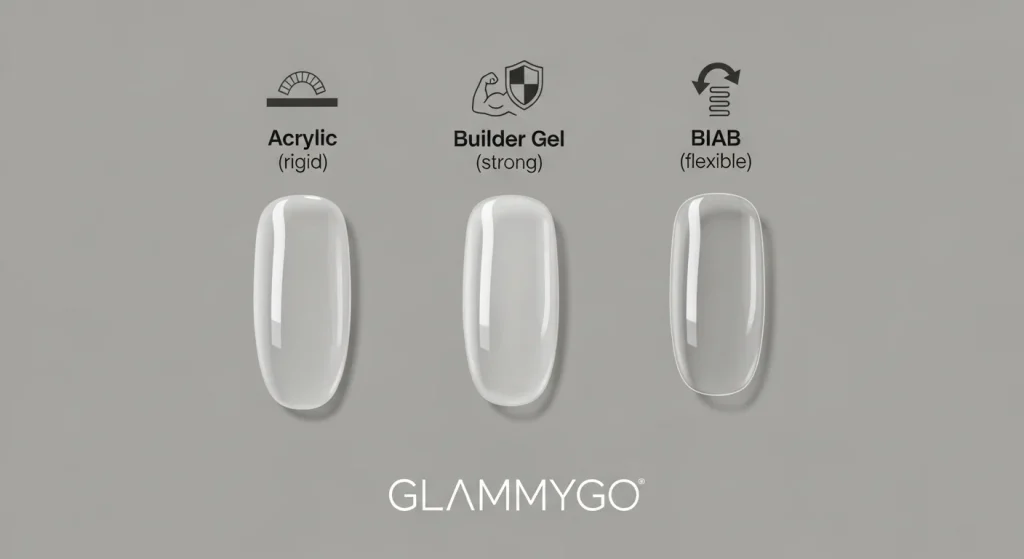
- Builder Gel: A thicker gel formula applied like polish but strong enough to sculpt or add durability. Usually cured under a UV/LED lamp.
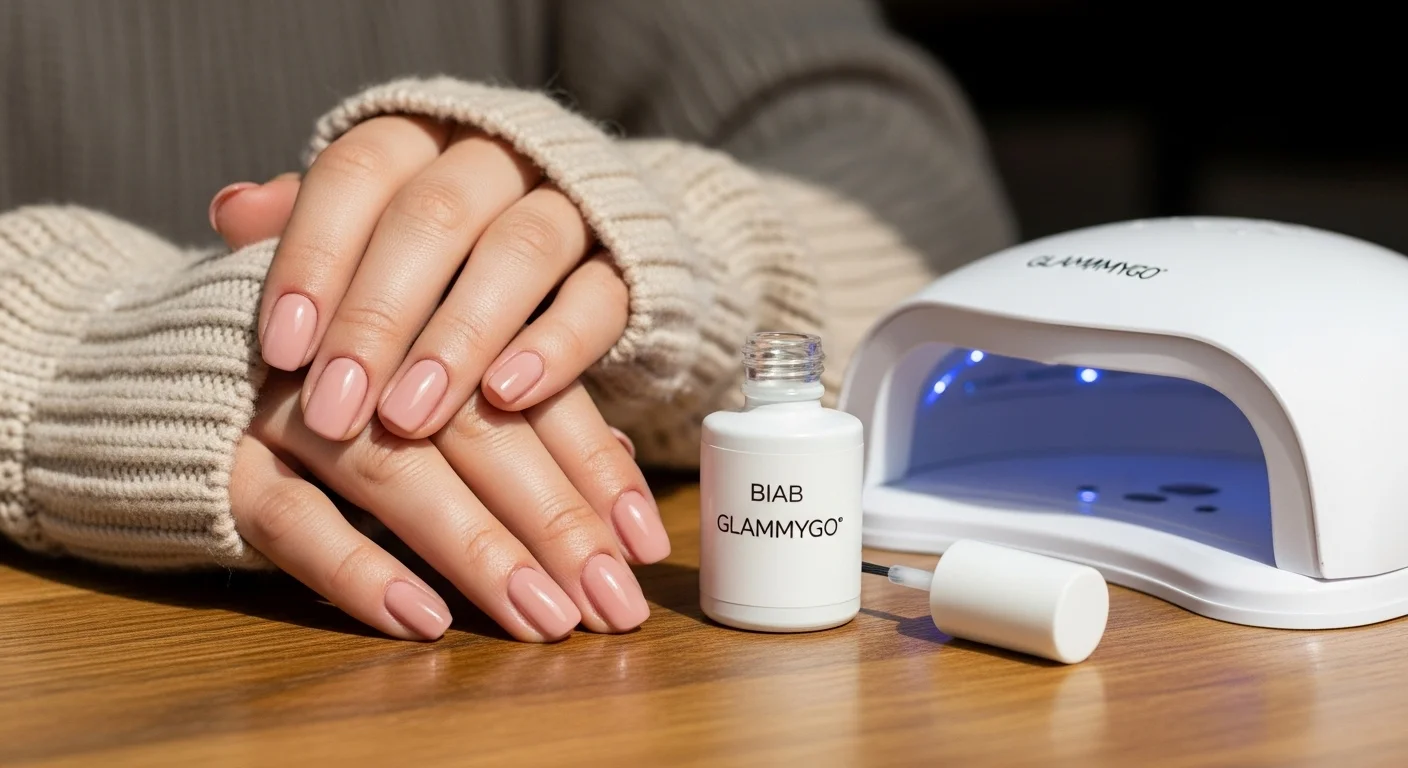
- BIAB (Builder in a Bottle): A softer, more flexible version of builder gel that’s designed to overlay your natural nails. Think of it as a protective “armor” that bends with your nail, reducing breakage.
👉 In simple terms: acrylic = rigid, BIAB = flexible, healthier protection.
Why BIAB Is Trending in 2026
- Gentle strength: BIAB is self-leveling and flexible, reducing cracks.
- Nail rehab: Many people use it after removing acrylics or gels to let natural nails recover.
- Cleaner formulas: Many brands are now HEMA-free and marketed as healthier.
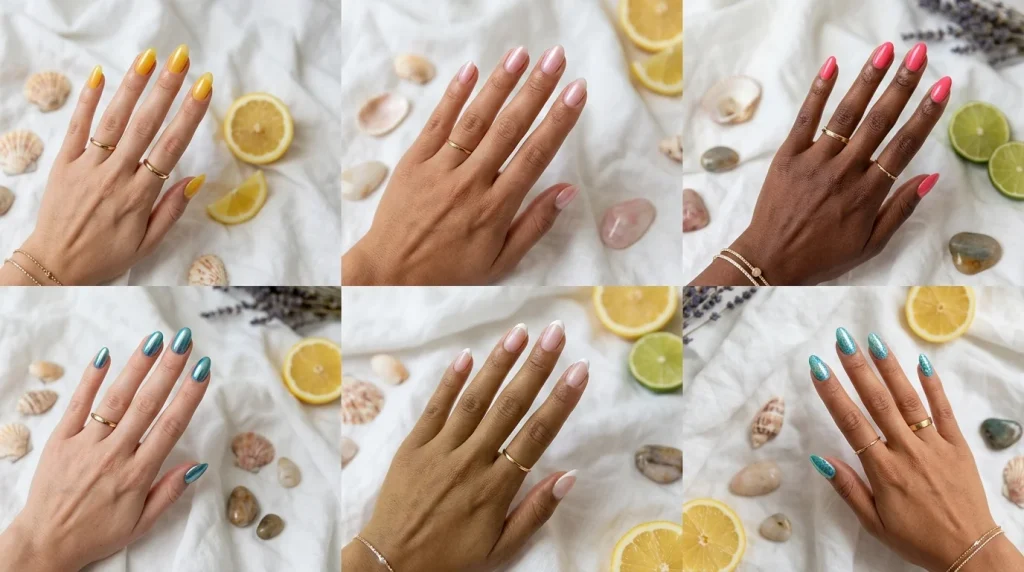
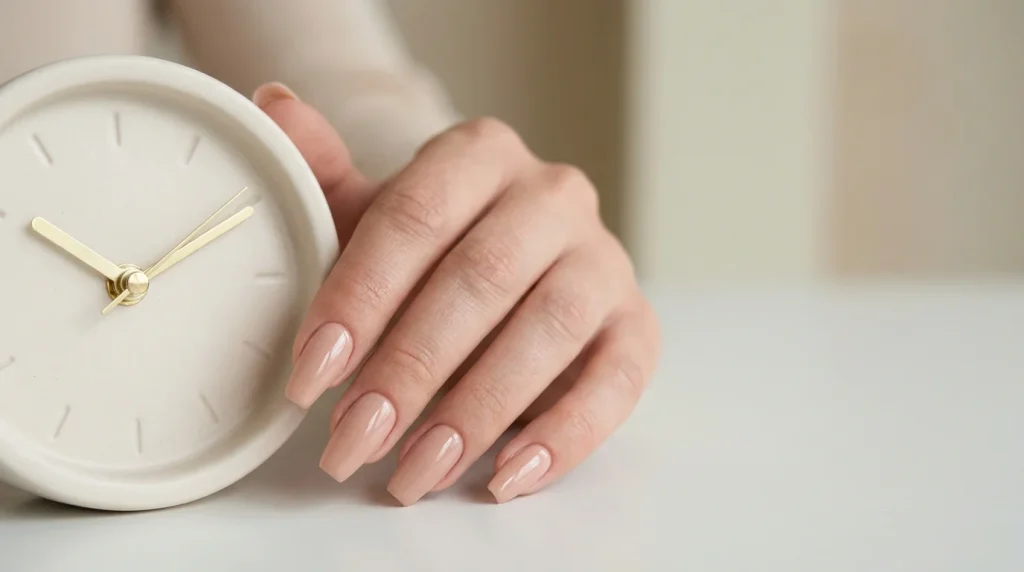
- Versatile look: Can be worn sheer for a natural finish or topped with color.
💡 On Reddit and beauty forums, many nail lovers swear by BIAB as the “perfect middle ground” between bare nails and full extensions.
Pros & Cons
Pros✅
- Strengthens weak nails without heavy extensions
- More natural look than acrylics
- Can last 3–4 weeks with proper care
- Many formulas are “cleaner” and free from harsh chemicals
Cons❌
- Still requires UV/LED curing
- Needs professional soak-off (can’t just peel off)
- Not as strong as acrylic for dramatic length
- Cost: BIAB manicures usually cost a bit more than regular gel
How to Use Builder Gel or BIAB Safely🧾
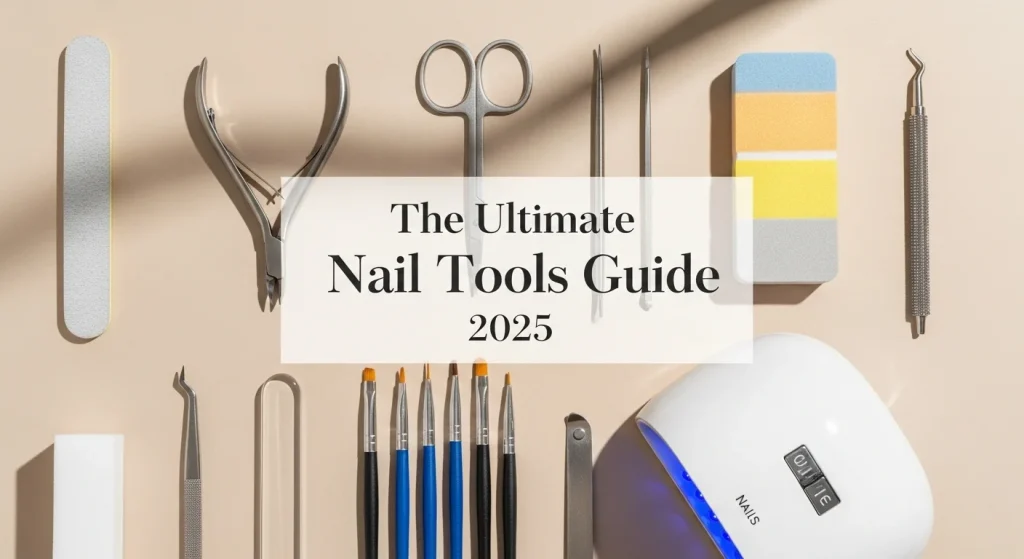
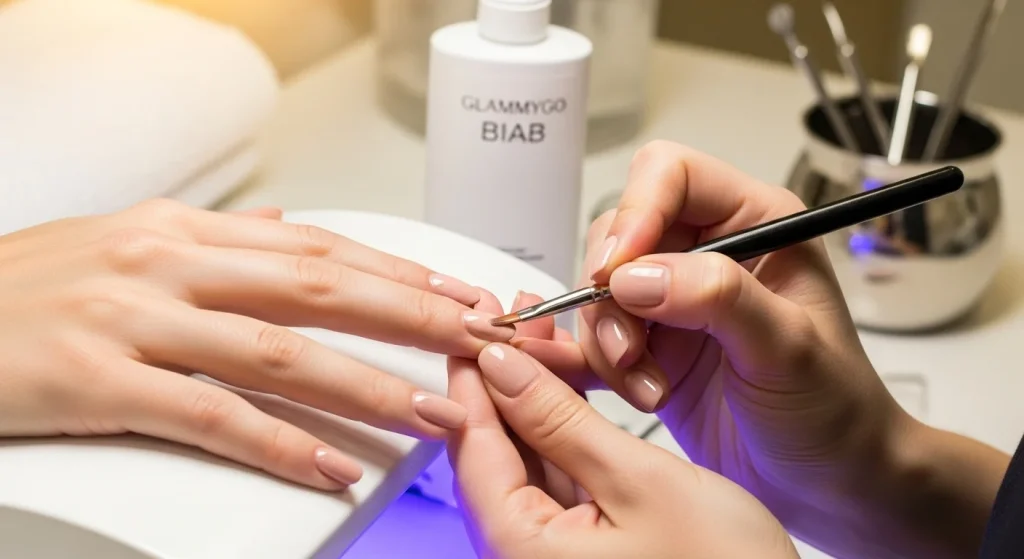
- Prep Nails First → light buff, clean plate, push back cuticles. Many salons pair builder gel with an e-file Russian manicure for a closer finish.
- Thin Layers → apply 1–2 thin coats, cure each under lamp.
- Seal with Top Coat → prevents chipping and gives shine.
- Moisturize Daily → cuticle oil is a must to prevent brittleness.
- Professional Removal → always soak-off; never peel.
👉 If your nails are already peeling or damaged, start with our at-home repair guide before trying BIAB overlays.
Who Should Try BIAB? 🌟
- People with weak, brittle nails looking for protection.
- Those wanting a low-maintenance, natural look.
- Anyone transitioning from acrylics or gels to healthier options.
- Nail enthusiasts wanting strength without heaviness.
Not for: people who want very long, dramatic nails (acrylic is still stronger for sculpting extreme lengths).
Wrap-Up 🎯
So—are builder gel and BIAB the secret to stronger nails? For many nail lovers, yes. They’re not magic, but they offer a healthier, gentler way to reinforce natural nails while looking chic. With the right care routine, BIAB can be the perfect balance between style and strength in. See our ultimate nail care routine for daily habits to pair with BIAB.