The Ultimate Nail Care Routine for Stronger, Healthier Nails in 2026

Quick-Start: What Works in 2026
Healthy nails aren’t about fancy tricks—they’re about consistency. Here’s nail care routine what nail techs and dermatologists agree makes the biggest difference this year:
Hydration comes first. Nails are basically little layers of keratin, and just like skin, they need moisture to stay flexible. A drop of cuticle oil and a good hand cream can prevent the splits and peeling that ruin even the best manicure. Hydration doesn’t stop at your nails — your cuticles need love too. Our cuticle care guide breaks down oils, creams, and daily habits.
Shape gently, don’t saw. Think of your file as a polisher, not a saw. Use a fine-grit glass or 240+ file, move in one direction only, and keep the edges softly rounded so they don’t snag. If you’re just starting out, our Beginner’s Guide on how to file and shape nails safely walks you through the basics step by step. And for more advanced styles, check out our guide on how to shape your nails like a pro.
Balance strength with softness. Overdoing nail hardeners can make nails snap. Alternate strengthening treatments (like keratin or protein formulas) with nourishing oils and creams to keep nails strong and flexible.
Be smart with removals. The quickest way to wreck your nails? Peeling off gel or dip. Always soak off properly, and follow with an oil-and-cream rescue session to rehydrate.
Tiny habits = big results. Slip on gloves for cleaning, tap with your finger pads instead of nail tips, and keep a mini oil pen in your bag for quick touch-ups. These little habits add up fast.
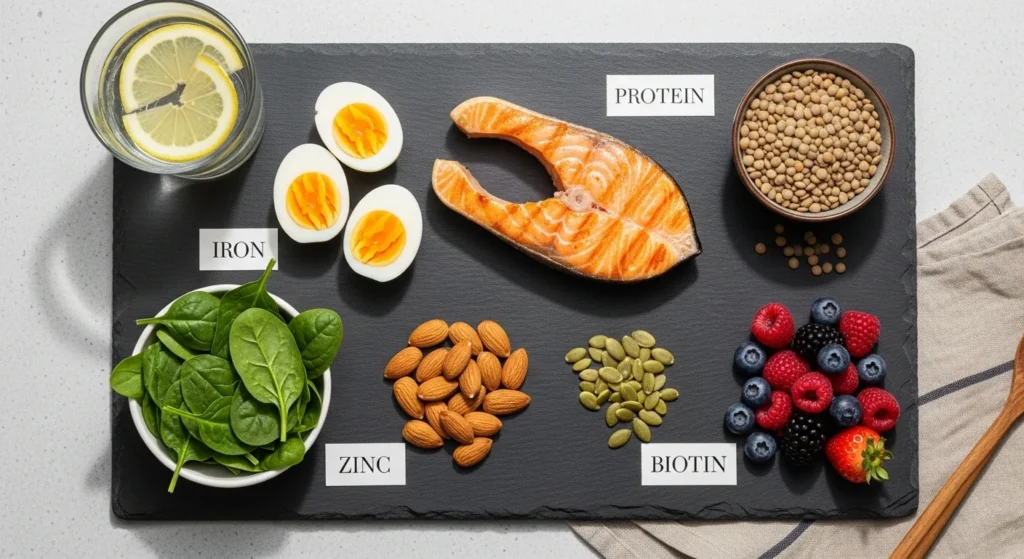
Feed your nails from the inside. A balanced diet rich in protein, iron, and zinc does more than any bottle of polish. Biotin can help too—but only if you’re truly deficient (always check with your doctor first).
The Daily Nail Care Routine
Morning (2–3 minutes)
Wash → Pat Dry
Light Moisture Layer: Hand cream focusing on nails and surrounding skin.
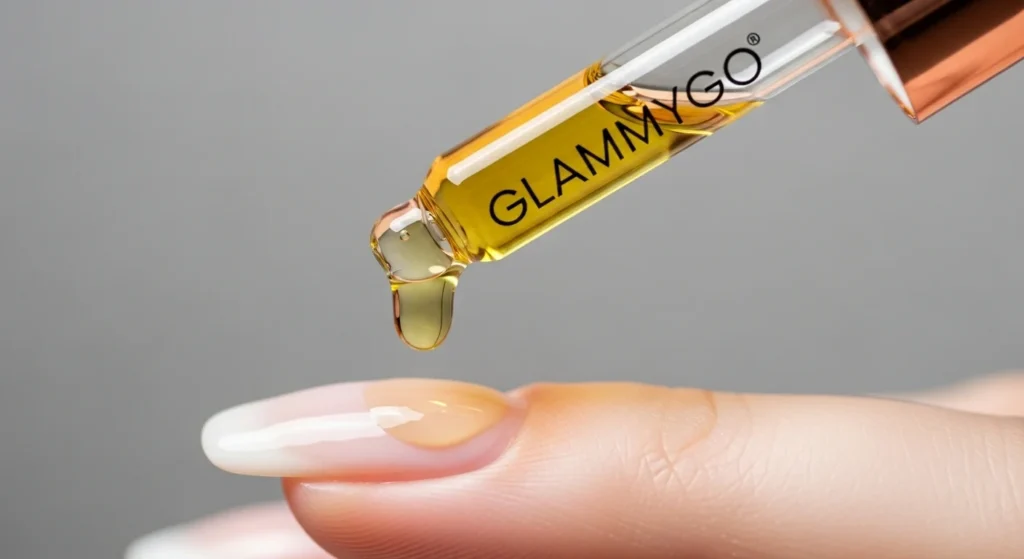
Seal with Cuticle Oil: 1–2 tiny drops massaged into each nail fold.
Optional: Sheer strengthening base coat if you’re bare-nailed.
Night (2–4 minutes)
Cleanse hands if you applied sunscreen/makeup to hands.
Intense Moisturizer: Thicker cream or balm, focusing on cuticles.
Cuticle Oil (again).
Overnight Occlusion (optional): Thin cotton gloves for very dry skin.
Pro Tip: Keep mini oil at your sink and one in your bag. One swipe after every hand wash = fewer splits in 7–10 days.
The Weekly Routine: A Mini Mani at Home
Frequency: 1× per week (bare nails) or as needed between salon appointments.
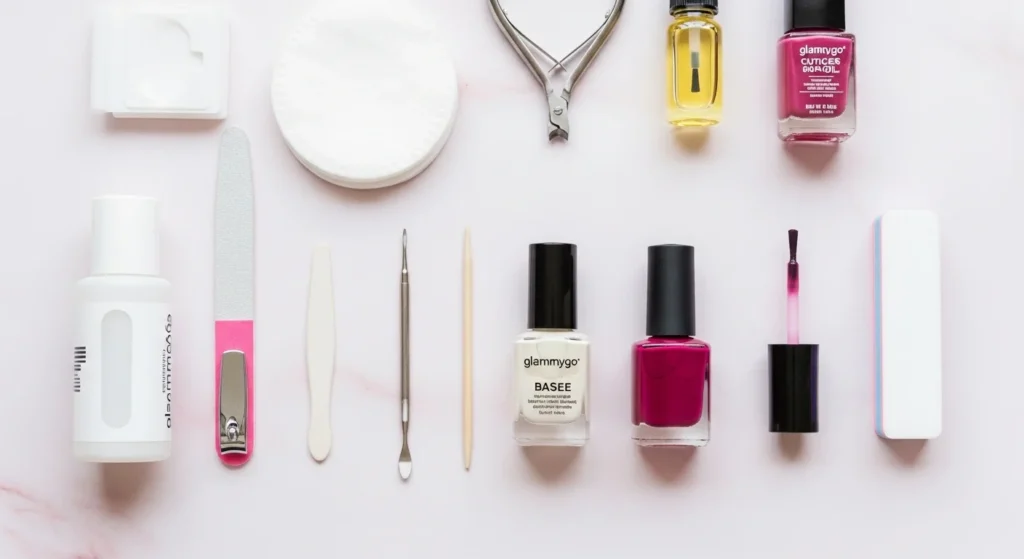
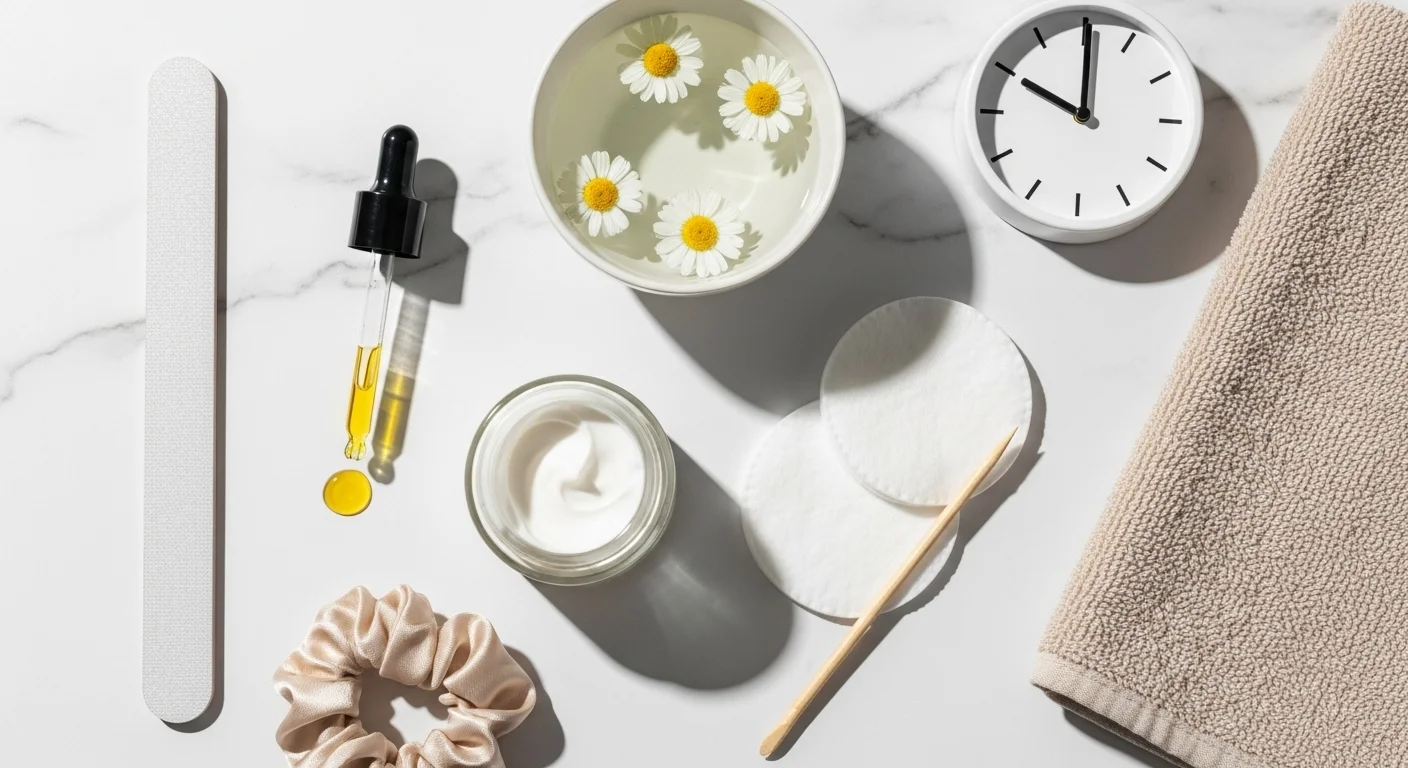
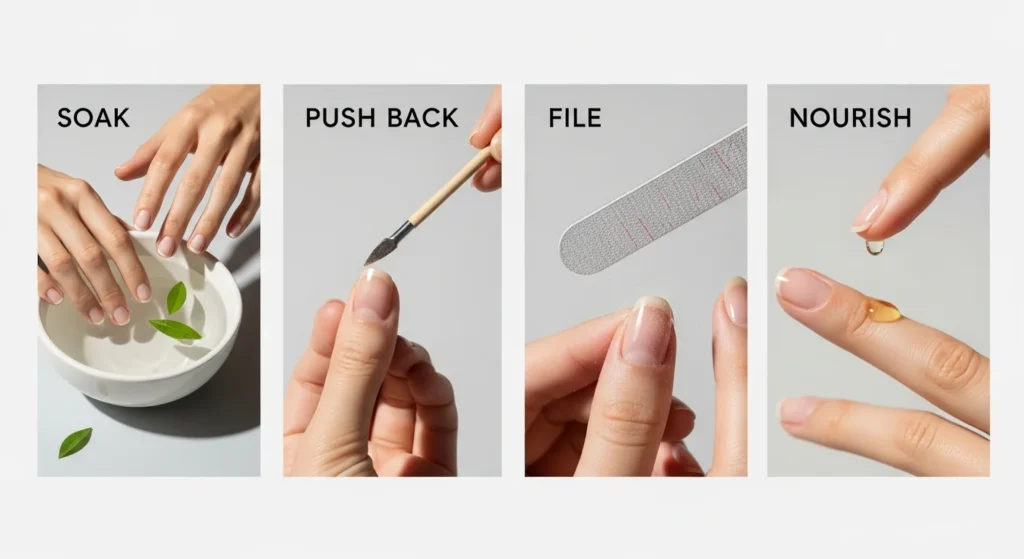
Soften: Soak fingertips in warm water with a drop of gentle soap for 2–3 minutes.
Cuticle Care: Apply remover (lotion/gel), gently push back with a wooden/orange stick. Avoid cutting live tissue; only trim hangnails.
Shape: Use a glass or 240–320 grit file. File in one direction, edges slightly rounded to prevent catches.
Buff (lightly): 1–2 passes max with a fine buffer to smooth peeling tips (don’t over-thin).
Cleanse Plate: Swipe with alcohol-free cleanser to remove oils before polish.
Polish System (optional):
- Base coat (ridge-filling if needed)
- 1–2 thin color coats
- Glossy or velvet matte top coat
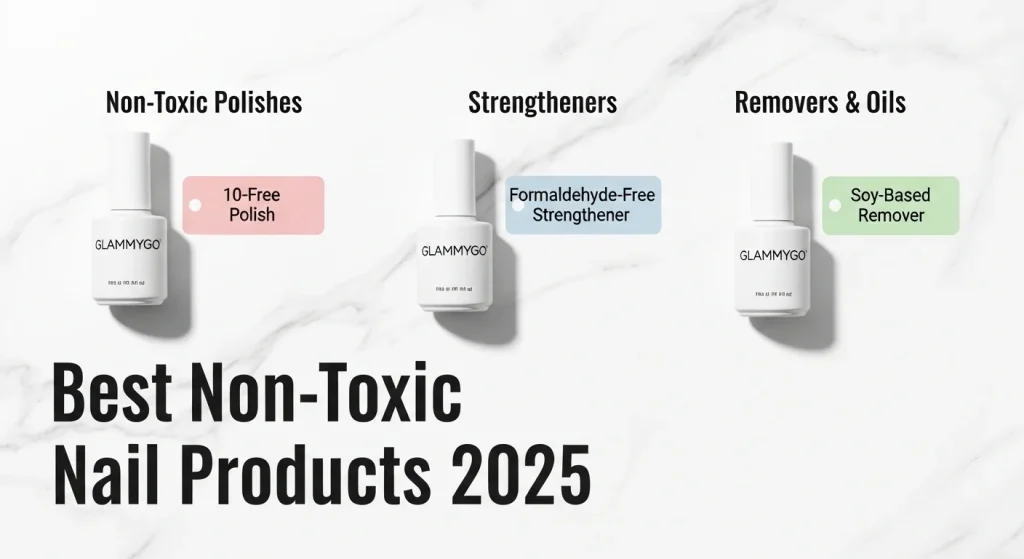
- Switch to non-toxic nail products for healthier manis.
Rehydrate: Oil + hand cream once polish is fully dry.
Before & After Gel/Acrylics: Damage Control Protocol
Getting gels or acrylics doesn’t have to wreck your nails—if you prep and recover the right way. Think of it as giving your nails their own little wellness plan۔ If you’re new to salon enhancements and wondering exactly what a “full set” means, check out our detailed guide on What Is a Full Set of Nails (2026 Guide) — it breaks down the process, cost, and aftercare so you know what to expect before your appointment.
Before your appointment (24–48 hours ahead):
Double up on hydration. Massage cuticle oil and hand cream in twice a day so your nails are flexible, not brittle.
Skip the harsh stuff. Avoid acetone baths right before your mani. You want your nails moisturized, but the plate clean and oil-free when you sit in that chair.
Think ahead if you’re prone to peeling. Ask your tech about a rubberized or BIAB (builder in a bottle) base—it adds extra cushion and protection. If you’re booking a Russian manicure with builder gel, ask whether they trim living skin.
After removal:
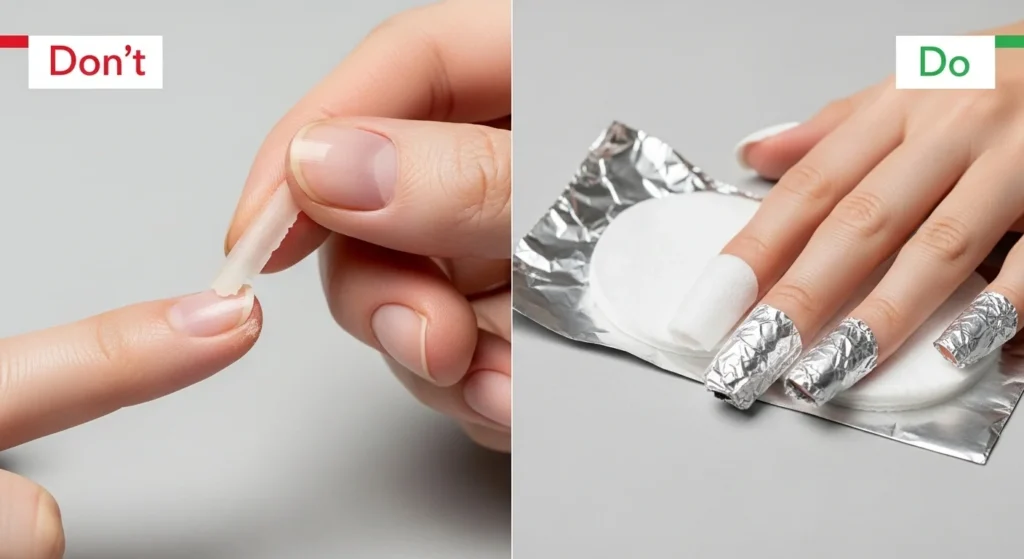
Hands off! No peeling or picking—always soak off properly based on the system used.
Rehydrate immediately. Follow removal with a generous dose of cuticle oil and a thick barrier cream to lock in moisture.
Repair phase (1–2 weeks). Alternate between a strengthening treatment (protein or keratin formula) and “rest days” of pure oil and cream. This balance keeps nails strong without tipping into brittleness. If your nails are already peeling or splitting, follow this guide on how to fix peeling nails step by step.
Nutrition, Supplements & Lifestyle Habits
- Protein: Aim for balanced daily intake; nails = keratin.
- Micronutrients: Iron, zinc, B-complex (especially biotin) support growth—supplement only if needed and cleared by your provider.
- Hydration: Consistent water intake benefits nail flexibility.
- Stress & Sleep: Chronic stress and poor sleep can slow growth cycles.
Lifestyle swaps that protect nails
- Wear gloves for dishes/cleaning.
- Avoid using nails as tools (labels, tabs, pop cans).
- Type with finger pads, not tips.
- Keep nails short-to-medium if you’re repairing damage.
Seasonal Nail Care (Fall/Winter vs Spring/Summer)
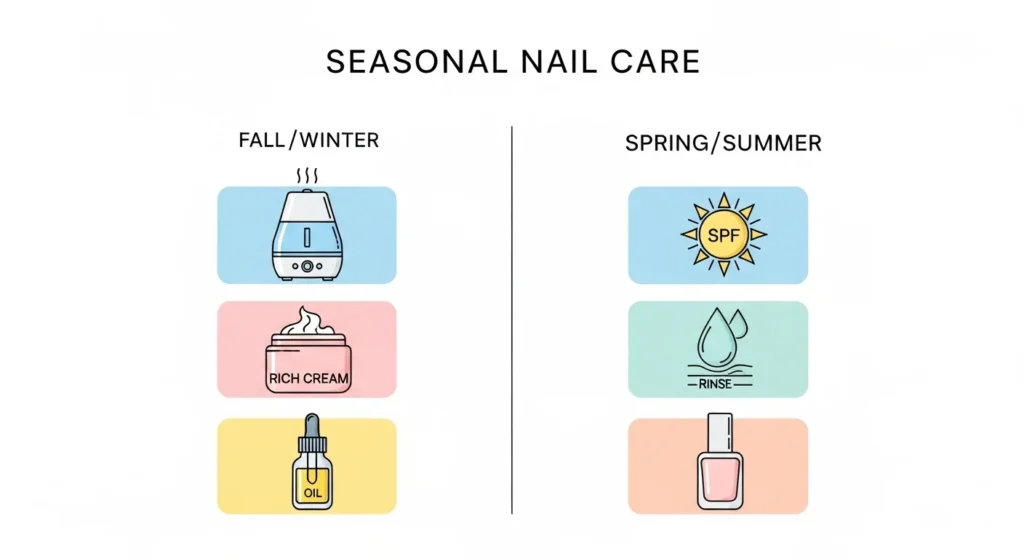
Fall/Winter (dry air):
- Switch to richer creams with occlusives (shea, petrolatum).
- Oil 2–3× daily if hands are frequently washed or sanitized.
- Humidifier at night helps prevent brittle tips and if you struggle most during the colder months, these seasonal nail care tips for fall and winter will help you stay ahead of damage.
Spring/Summer (sun + chlorine):
- Reapply hand SPF 30+ (backs of hands + around nails).
- Rinse and moisturize after pool/ocean exposure.
- Lighter gel systems or breathable polishes can help reduce heat-lift.
Product Buying Guide: From Budget to Prestige
Not every holy-grail nail product has to come with a luxury price tag. Whether you’re shopping drugstore aisles or prestige counters, the right formulas can completely transform your routine. Here’s how to shop smart for every nail essential:
Cuticle Oils
- Budget: Simple jojoba + vitamin E blends or easy roller pens you can toss in your bag.
- Mid-range: Salon-loved options like CND-style light oils that absorb quickly with dropper applicators.
- Prestige: Luxe, nutrient-packed blends boosted with squalane and ceramides for long-lasting hydration.
Hand Creams
- Budget: Glycerin-rich formulas from the drugstore—classic, reliable, and budget-friendly.
- Mid-range: Shea butter or cocoa butter bases with urea (5–10%) for serious smoothing.
- Prestige: Barrier-boosting creams infused with ceramides, niacinamide, and silky textures that feel spa-worthy.
Nail Strengtheners
Look for formaldehyde-free daily strengtheners or peptide/keratin treatments. Pro tip: give your nails “off” days with just oil and cream to prevent brittleness.
Files & Buffers
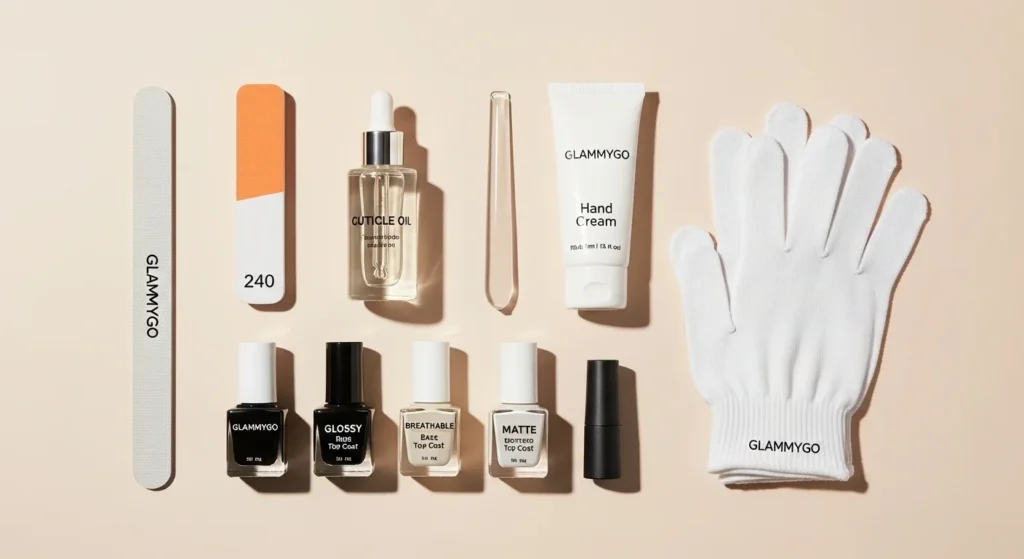
- Glass or crystal files for the cleanest edges.
- 240–320 grit boards for shaping.
- 400+ gentle buffers to smooth without thinning the nail.
Nail Mistakes That Are Secretly Ruining Your Mani
Sometimes it’s not about what you do for your nails, but what you need to stop doing. If your mani keeps chipping, peeling, or breaking, chances are one of these bad habits is to blame:
- Peeling off gels or dip. We know—it’s tempting. But peeling literally strips away nail layers, leaving them weak and rough. Proper soak-off is the only safe way.
- Over-filing or buffing. A light touch keeps nails smooth, but going too hard before polish or during removal just thins them out. Think “gentle polish,” not “sanding wood.”
- Skipping the base coat. Or piling polish on in thick, gloopy layers. Both mean your mani won’t cure right and will peel fast. Thin, even coats = salon-level finish.
- Tearing at hangnails. It’s an instant invitation for pain and infection. Instead, snip cleanly with sanitized tools and follow with oil.
- Relying on hardeners nonstop. Too much strengthening without hydration makes nails brittle. Balance strength days with oil-and-cream days so they stay flexible.
- Exposing nails to chemicals. Dish soap, bleach sprays, even constant sanitizer all dry out nails. A pair of gloves is the simplest (and cheapest) form of nail insurance.
Troubleshooting Nail Problems: Peeling, Splitting, Ridges & Slow Growth
Not every nail issue means a trip to the salon—many can be managed at home with the right care. Here’s how to tackle the most common nail troubles we all run into:
Peeling or Layering:
When nails start flaking at the tips, trim them back just a bit to prevent further tearing. Seal the edges with a nourishing base coat and apply cuticle oil 2–3 times daily. Skip harsh acetone removers for at least two weeks to let nails rebuild.
Vertical Splits:
These can be stubborn and painful. Keep nails shorter and softly rounded at the corners to reduce pressure. When polishing, use a flexible, rubberized base coat (like BIAB-style formulas). At night, massage in a healing nail balm for extra reinforcement.
Horizontal Ridges (Beau’s Lines):
These often appear after stress, illness, or even a rough manicure session. They usually grow out on their own, but if ridges are persistent—or paired with other health symptoms—it’s best to check with a dermatologist.
Brittleness or Snapping:
Nails that break easily often lack balance. Alternate between a strengthening protein treatment (2–3 times per week) and simple moisture days with oil or cream. Also, try to avoid acetone removers for a few weeks to prevent further dryness. If your nails are already peeling or splitting, follow this step-by-step repair guide to get them back on track.
Slow Growth:
Frustrated by nails that just won’t grow? Remember, average nail growth is about 3 mm per month. Make sure your diet includes enough protein and iron, protect tips from constant typing or tapping, and stay consistent with cuticle oil. Patience (and hydration!) is key.